
Best Time to Visit Loreto, Mexico: Weather, Whales, Fishing & Seasons
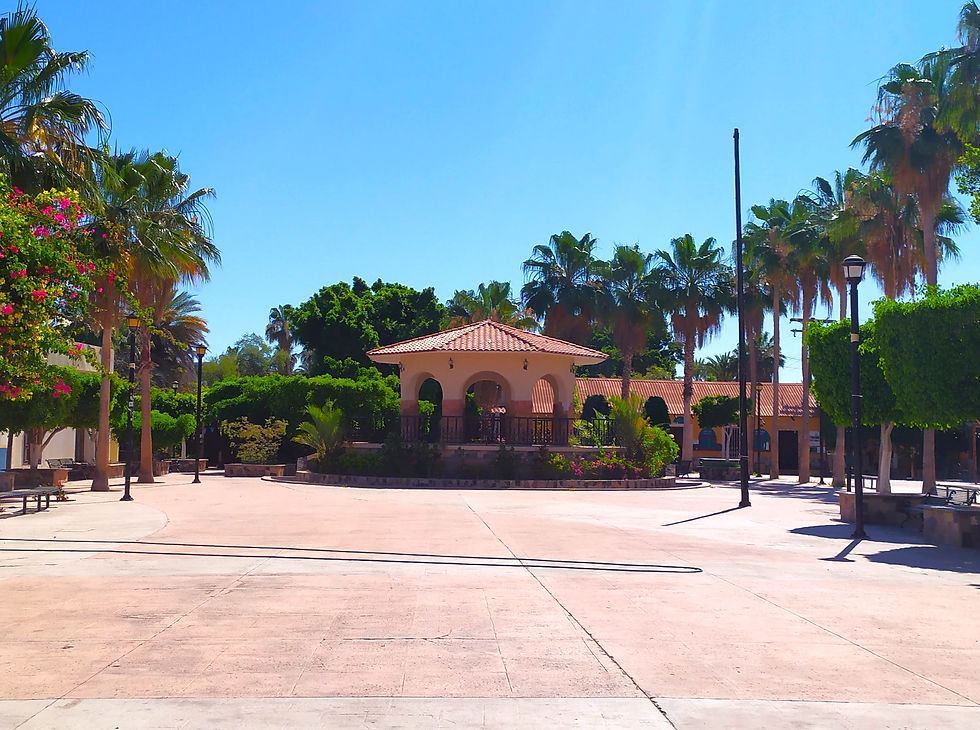
There isn't one single best time to visit Loreto.
There is, however, a best time for the trip you want to have.
If your dream is seeing a blue whale in the Sea of Cortez, your ideal dates will be very different from those of a traveler hoping for warm-water snorkeling or a fishing trip focused on dorado.
That's one of the most interesting things about Loreto, Baja California Sur.
The destination changes throughout the year.
Winter brings cooler days and some of Loreto's most extraordinary marine wildlife. Spring is excellent for exploring both land and sea. Summer brings heat but also warmer water and important sport-fishing opportunities. Fall becomes a quieter transition toward another winter season.
So instead of asking only, “When is the best time to visit Loreto?”, start with another question:
What do you most want to experience?
This month-by-month guide will help you decide.
Loreto Seasons at a Glance
For travelers who want the quick answer:
January–March: Best for whale watching and comfortable outdoor weather.
February–March: The key period for blue whale migration in Loreto Bay National Park.
Spring: Excellent for island trips, hiking, sightseeing and outdoor activities before peak summer heat.
Summer: Hotter, but attractive for warm-water activities and fishing.
July–September: CONANP identifies this period with the migration of important sport-fishing species including jurel and dorado.
Fall: Generally quieter, with changing weather conditions and fewer visitors before the winter season builds again.
The best choice depends on your priorities.
January: Whale Season Begins
January is one of the most exciting months to arrive in Loreto.
Temperatures are much more comfortable than during summer, making this a good time to combine marine excursions with walking, mountain trips and sightseeing.
More importantly, winter brings migrating whales into the region.
The official Loreto tourism site identifies January through March as whale-watching season in Loreto Bay National Park, with opportunities to observe blue whales and other cetaceans.
But there's an important distinction:
Whales are wild animals.
Their arrival doesn't happen according to a tourism calendar.
If seeing a blue whale is the main reason for your trip, later winter may offer a stronger historical window than the very beginning of January.
January is great for:
Whale watching, island tours, San Javier, hiking, sightseeing, golf and travelers escaping colder northern winters.
Best for: Active travelers and wildlife enthusiasts.
February: One of Loreto's Most Special Months
If someone asked us to choose one of the most interesting months for nature in Loreto, February would be very difficult to beat.
CONANP specifically identifies February through March as the blue whale migration period in Loreto Bay National Park.
The blue whale is the largest animal on Earth, and seeing one surface against the backdrop of the Sierra de la Giganta is one of Baja California Sur's great wildlife experiences.
February is also excellent for travelers who want to combine several types of activities.
One day might be devoted to whales.
Another to Isla Coronados.
Another to San Javier.
And because daytime temperatures are generally far more comfortable than in summer, exploring inland becomes easier as well.
February is great for:
Blue whales, wildlife photography, island tours, hiking, San Javier and multi-activity vacations.
March: Whales + Excellent Outdoor Conditions
March continues the blue-whale period identified by CONANP and remains within the January–March whale-watching season promoted by Loreto's official tourism site. Gobierno de México
It can be an excellent choice for travelers who want wildlife without making their entire trip about whales.
Island excursions, kayaking, golf, snorkeling and mountain experiences can all fit naturally into the same itinerary.
Loreto also celebrates its connection to the world's largest animal with a Blue Whale Festival in March, according to the destination's official events calendar. loreto.visitbajasur.travel
That makes March particularly interesting for travelers who enjoy combining nature with local cultural events.
March is great for:
Blue whales, island trips, outdoor adventures, photography and travelers interested in Loreto's whale-related events.
April: A Beautiful Transition Month
By April, Loreto begins moving away from its core winter wildlife season.
For travelers who aren't visiting specifically for blue whales, that's not necessarily a disadvantage.
Spring can be an excellent time for exploring the islands, spending time outdoors and enjoying the Sea of Cortez before the hottest months arrive.
Fishing travelers may also be interested in Loreto's La Misión Classic Yellowtail Tournament, traditionally held in April according to the official destination events calendar.
April is great for:
Fishing, islands, golf, kayaking, sightseeing and travelers who want a spring trip.
May: Sea of Cortez Adventure Season
May begins to feel noticeably warmer.
Travelers who enjoy being on the water may appreciate the shift toward summer conditions, while inland activities should increasingly be planned with heat in mind.
The official Loreto events calendar lists the Puerto Escondido Marine Fishing Tournament in May, another reminder of how important fishing is to the destination.
May is great for:
Fishing, boating, snorkeling, diving and travelers comfortable with warmer weather.
June: Summer Arrives
June brings a very different Loreto from the one travelers experience in February.
Days are hotter.
The sea becomes increasingly central to the itinerary.
Rather than planning long midday walks, travelers may prefer morning activities followed by swimming, snorkeling or resort time.
Loreto also celebrates local food traditions in June with the Chocolata Clam Festival, according to the official tourism calendar.
This is a nice reminder that Loreto isn't only a nature destination.
Food and local culture belong in the experience too.
June is great for:
Water activities, fishing, diving, resort stays and travelers who enjoy warmer conditions.
July: Fishing Takes Center Stage
July marks the beginning of a particularly interesting period for anglers.
CONANP identifies July through September with the migration of sport-fishing species including jurel and dorado within Loreto Bay National Park. Gobierno de México
Loreto's official tourism site also describes sport fishing as a year-round activity, including opportunities for species such as dorado and marlin. loreto.visitbajasur.travel
That means there isn't one universal “fishing season.”
Different species create different opportunities throughout the year.
July is great for:
Sport fishing, warm-water activities, snorkeling and travelers comfortable with Baja summer heat.
August: Hot, Quiet and Ocean-Focused
August is hot.
There's no point pretending otherwise.
But that doesn't automatically make it a bad time to visit.
Travelers who love warm water, fishing and slower resort days may enjoy a very different version of Loreto than winter visitors experience.
The key is adapting your schedule.
Plan active excursions early.
Protect yourself from the sun.
Stay hydrated.
Leave midday for swimming, relaxing or indoor activities.
And keep your itinerary flexible around seasonal weather.
August is great for:
Fishing, swimming, resort vacations and travelers who prioritize the water over hiking.
September: For Flexible Travelers
September remains within the July–September fishing migration period identified by CONANP.
It can also be a quieter travel period.
However, late summer and early fall require more flexibility around weather conditions. Travelers should monitor forecasts closely and understand cancellation policies before booking marine activities.
This is not the month to build an itinerary with zero flexibility.
Instead, leave room to move activities if conditions change.
September is great for:
Fishing, quieter trips and flexible travelers who understand seasonal weather considerations.
October: The Transition Begins
October starts moving Loreto toward its cooler season.
For travelers who dislike winter crowds but don't want peak summer conditions, the transition can be attractive.
Marine conditions still vary, so flexibility remains important, particularly earlier in the month.
As temperatures begin easing, combining land and sea activities becomes increasingly appealing again.
October is great for:
Flexible itineraries, fishing, island trips and travelers looking for a shoulder-season experience.
November: Outdoor Exploration Returns
By November, Loreto begins to feel much more inviting for travelers interested in both ocean and inland activities.
Hiking, San Javier, golf, island excursions and walking through downtown become easier to combine into the same trip.
This is also when travelers from colder climates begin looking south again.
If your priority is simply experiencing Loreto rather than seeing one specific species, November can be a very appealing choice.
November is great for:
Outdoor activities, islands, San Javier, golf and first-time visitors.
December: Winter Travel Begins Again
December marks the return of the winter travel season.
The weather becomes one of Loreto's major attractions for travelers escaping colder climates.
Whale activity elsewhere in Baja begins building during winter, although travelers visiting specifically for Loreto's blue whales should remember that CONANP identifies their principal Loreto migration period as February–March.
December is better approached as a beautiful winter escape rather than a guaranteed blue-whale trip.
December is great for:
Holiday travel, outdoor activities, island excursions, golf and winter sun.
Best Time to Visit Loreto for Blue Whales
If blue whales are your priority, plan around February and March.
CONANP identifies those months as the migration period for blue whales in Loreto Bay National Park.
Loreto's broader official whale-watching season is promoted as January through March.
That distinction matters.
January can offer whale activity, but travelers building an entire trip around blue whales may prefer the historically stronger February–March window.
And even then:
Never expect guaranteed sightings.
Wildlife isn't an appointment.
→ Read: Blue Whale Watching in Loreto
Best Time for Gray Whales
Here's where Loreto becomes particularly interesting.
The blue-whale experience occurs in the Sea of Cortez around Loreto.
Gray whales are a different experience.
During winter, travelers staying in Loreto can cross the Baja Peninsula toward the Pacific lagoons around the Magdalena Bay region for gray-whale excursions.
This makes it possible to build a trip around two completely different whale experiences.
For travelers who consider wildlife the main reason for visiting Baja California Sur, February can be especially compelling because it can overlap strongly with both experiences.
Best Time for Sport Fishing
There is no single answer.
Loreto's official tourism site describes fishing as available throughout the year, while CONANP specifically notes the July–September migration of jurel and dorado as an important natural phenomenon within the national park.
So instead of asking:
“When is fishing season?”
Ask:
“What species would I like to target?”
Then choose your dates accordingly.
This will become the basis of our future dedicated Loreto Fishing Seasons Guide.
Best Time for Snorkeling
Snorkeling is possible at different times of year, but conditions aren't identical.
Travelers who prioritize warmer water may prefer the warmer months.
Winter travelers gain comfortable air temperatures and exciting wildlife opportunities but should expect cooler water.
Visibility depends on more than the calendar.
Wind, currents, plankton and recent weather all matter.
This is why experienced local captains choose snorkeling areas based on that day's conditions, not simply what looked good last week.
Best Time for Hiking and San Javier
For inland exploration, cooler weather is your friend.
Winter through spring and the cooler portion of fall are generally more comfortable for walking and mountain activities than peak summer.
Loreto's environment is dry and semi-arid; CONANP reports an average temperature of approximately 23°C (73°F) for the national park region, though seasonal and daily conditions vary significantly.
If you're visiting in summer, schedule demanding outdoor activities early and take heat exposure seriously.
Best Time for a First Trip to Loreto
If you have no single activity driving your travel dates, we'd lean toward:
November through April.
Why?
Because these months generally make it easier to combine the experiences that define Loreto:
Island trips.
Downtown.
San Javier.
Golf.
Wildlife.
Walking.
Outdoor exploration.
But that doesn't mean everyone should visit in winter.
A fisherman targeting summer species may strongly prefer July.
A traveler who loves warm water may prefer June.
Someone hoping to see blue whales should choose February or March.
The best season is personal.
How Many Nights Should You Stay?
For most first-time visitors:
Four to six nights.
That gives you enough room for:
One island excursion
San Javier
A second marine activity
Downtown Loreto
Relaxation
Weather flexibility
During whale season, consider staying longer.
If marine conditions force one excursion to move, you don't want your entire wildlife trip depending on a single morning.
Choose Your Dates Before Your Hotel
This sounds obvious, but it's important.
Your dates influence:
Which wildlife experiences are possible
Fishing opportunities
Weather
Flight schedules
Hotel demand
Tour availability
Once you've chosen the experience you want, select your dates and then compare accommodation.
→ Read: Where to Stay in Loreto
So, When Should You Visit Loreto?
Here's the simplest answer.
Come in February or March if whales are your dream.
Come in spring if you want a balance of sea and land adventures.
Come in summer if fishing and warm water matter more than cool temperatures.
Come in fall if you value a quieter trip and can remain flexible.
Come in winter if you want comfortable outdoor conditions and a break from colder weather.
Loreto isn't a destination with one good season.
It's a destination with different personalities throughout the year.
Choose the one that matches yours.
Plan Your Loreto Trip
Once you've chosen the right season, the next steps become much easier.
Comments